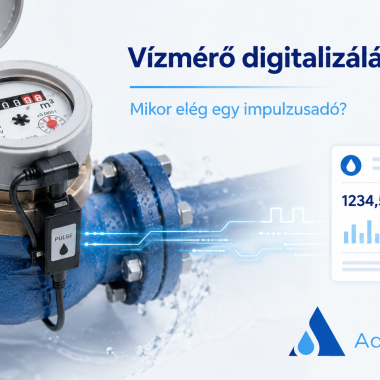
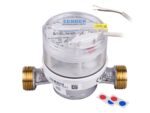
The water meter transmitter plays an important role in accurately tracking and transmitting consumption data, especially in digital or smart water meters. If the transmitter fails, water consumption data will not be recorded correctly, which can result in inaccurate billing and data loss. The steps below will help you understand what to do if such a problem occurs.
1. Fault identification
First, let's look at the error symptoms you may experience. The most common problems may be the following:
- Consumption data is not recorded or is incorrect.
- The transmitter is not transmitting data or the display is not showing correct values.
- The device issues a warning signal (for example, an LED flashes or a warning icon appears).
2. Contact with the service provider
If a sensor malfunction is apparent, it is a good idea to contact your water utility as soon as possible. It may be necessary to initiate a formal troubleshooting process, especially if the device was installed by your utility. Your utility can often remotely check the status of your sensor and confirm the fault.
3. Reset device
In some cases, a simple reset of the transmitter may resolve the issue. Some transmitters have a reset button or intermittent power-off to reset the device. If a reset function is not available, this step can be performed by your service provider.
4. Check transmitter and connections
The cause of the malfunction may be loose or dirty connectors on the transmitter and water meter. If possible, carefully check the connections and make sure that there are no corroded or loose parts. However, due to the sensitive components, it is recommended to seek professional help to avoid further damage.
5. Replacing the transmitter
If the problem cannot be solved, the sensor may need to be replaced. For this, the service provider's technicians can be called in to replace the faulty sensor professionally and in accordance with the certification requirements. After the replacement, the new device is set up and tested to ensure that the consumption data is recorded correctly again.
6. Providing alternative measurement during replacement
If the sensor replacement takes a long time, it is worth providing alternative measurement to accurately record consumption. Ask the service provider to take manual readings during this period, or keep your own records of consumption to avoid inaccurate billing.
7. Regular maintenance and inspection
You can prevent water meter sensor failure with regular maintenance and periodic inspections. Ask your service provider how often it is recommended to check the sensor, and request annual or biennial maintenance, especially if the device is critical for accurate consumption measurement.
Summary
In the event of a water meter transmitter failure, it is important to deal with the problem quickly and professionally to avoid loss of consumption data and inaccurate billing. Resetting the transmitter, checking the connections and replacing it if necessary can quickly resolve the problem. It is also worth ensuring regular maintenance to ensure that the transmitter operates reliably in the long term.