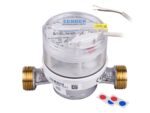
Water meter verification is an extremely important process that ensures accurate consumption measurement and reliable billing. During the verification process, the water meter is subjected to an official inspection, which certifies that the meter meets standard accuracy requirements.
Read our full blog post, in which we have collected some key aspects to consider when verifying a water meter.
- Validity of authentication certificate
Certified water meters in Hungary usually have a certificate valid for 8 years. It is important to check the date of the certification and, if the validity period has expired or is approaching its expiration date, ensure that it is renewed in a timely manner.
- MID and MKEH authentication compliance
Water meters placed on the market in the European Union must have MID (Measuring Instruments Directive) certification, which ensures that the meter complies with EU standards. In Hungary, certification by the Hungarian Trade Licensing Office (MKEH) may also be required, especially if the water meter is used for official billing or shared cost sharing. It is worth checking whether the water meter has the necessary certificates.
- Checking seals and holograms
Certified water meters often have seals and holograms that verify the integrity of the device. These elements ensure that the meter has not been tampered with and that the measured consumption data is reliable. It is important to check the seals and holograms during verification and notify the service provider if any damage is found.
- Accuracy check
One of the most important parts of verification is checking the accuracy of the water meter. A verified water meter must accurately measure water consumption and be sensitive to different flow rates. Professional calibration ensures that the water meter records the actual consumption, thus avoiding under- or over-billing.
- Maintenance history and general condition check
Check that the water meter is in good condition and has been regularly maintained. Regular maintenance can help maintain the accuracy of the water meter and extend its lifespan. Worn parts or dirt buildup can affect the accuracy of the measurement, so maintenance before verification can be crucial.
- Checking data transmission systems for digital water meters
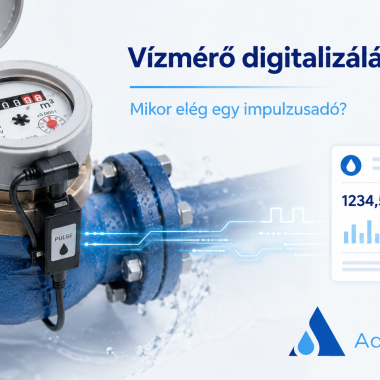
If you are using a digital or ultrasonic water meter that has a data transmission function, check that the data transmission system is also working properly. Digital water meters often allow for remote reading, which ensures accurate and fast data collection, but only if the device is working properly.
- Certification costs and recertification options
It is worth clarifying the costs of verification and the conditions of the re-verification process in advance. Some meters may be more economical to replace with a new, verified device, while in other cases, re-verification offers a cost-effective solution. Knowing the costs in advance can help you make the best decision.
Water meter verification ensures that consumption data is accurate and reliable, which is essential for billing, cost allocation, and consumer confidence. During verification, it is worth paying attention to the validity of the certificate, the type of verification (MID and MKEH), the verification of seals and measurement accuracy, and the maintenance history. Regular review and verification of the water meter status ensures long-term reliability and cost-effectiveness.